


Do you know the secrets behind making quick and easy pastry dough? If not, then stay tuned!
Included in this post is an easy pie dough recipe that you can use for any type of pie, be it savoury or sweet. It makes two rounds, enough for one base and top of a 9 inch round pie.

Does the thought of making pastry dough scare you? Me too. At least, the old me used to. Thankfully today we’re discovering all the baking secrets there is to know about making the flakiest, tender and mouthwatering pastry whilst also learning how quick and easy pastry dough making actually is! Goodbye pastry fears. Let’s get down to the nitty gritty and break down the process of pastry dough making. Quick and easy pastry dough only comprises of…
3 main steps:
- Dry ingredients are sifted into a bowl
- Cold fat (e.g. butter) is rubbed or cut into the dry ingredients
- Cold liquid is added and the mixture is formed into a ball and refrigerated before using.
Once you know the process, you just need to know a couple of handy tips. Allow these baking secrets to explain a few things about the science of pastry making…
Pastry Dough Baking Secrets:
- The Rubbing In Method is used
This means that the fat coats the flour proteins (glutenin and gliadin) which makes it harder for them to join with water to form gluten. The less gluten, the flakier our pastry will be and the less tough it will be. - Pastry doesn’t like to be handled
Once you add the liquid in stage 3, you want to handle the dough only enough so that it comes together, no kneading required here! The more we work with the dough, the more gluten we produce, and hence, the more tough and chewy our dough will be. - Pastry likes to be freezing cold
As with all recipes using the rubbing in method, the wet ingredients must be as cold as possible. Freezing the butter and then grating it is a great way of keeping it cold, as is using a food processor to cut the butter into the flour instead of using our hands (which creates warmth).
- Why does it need to be cold?
(a) When the butter is cold, it is harder to break down in small parts which means you get bigger ‘flakes’ of butter in the dough and it also takes longer for the butter to melt in the oven- this helps the pastry to have more layers of flakiness.
(b) The water from the cold butter and liquid evaporates in the oven helping to give lift to the pastry as well as flakiness. The water inside the butter slightly leavens and creates texture within the gluten.
- Why does it need to be cold?
Top Tip
Avoid mixing the dough too much and ensure everything is super cold for best flaky pastry results.
Pastry Fact
There are 5 main types of pastry:
Filo pastry, short pastry, puff pastry, choux pastry and flaky pastry.
The difference between them all is the ratio of fat to flour. Generally speaking, the more fat there is, the flakier the pastry.
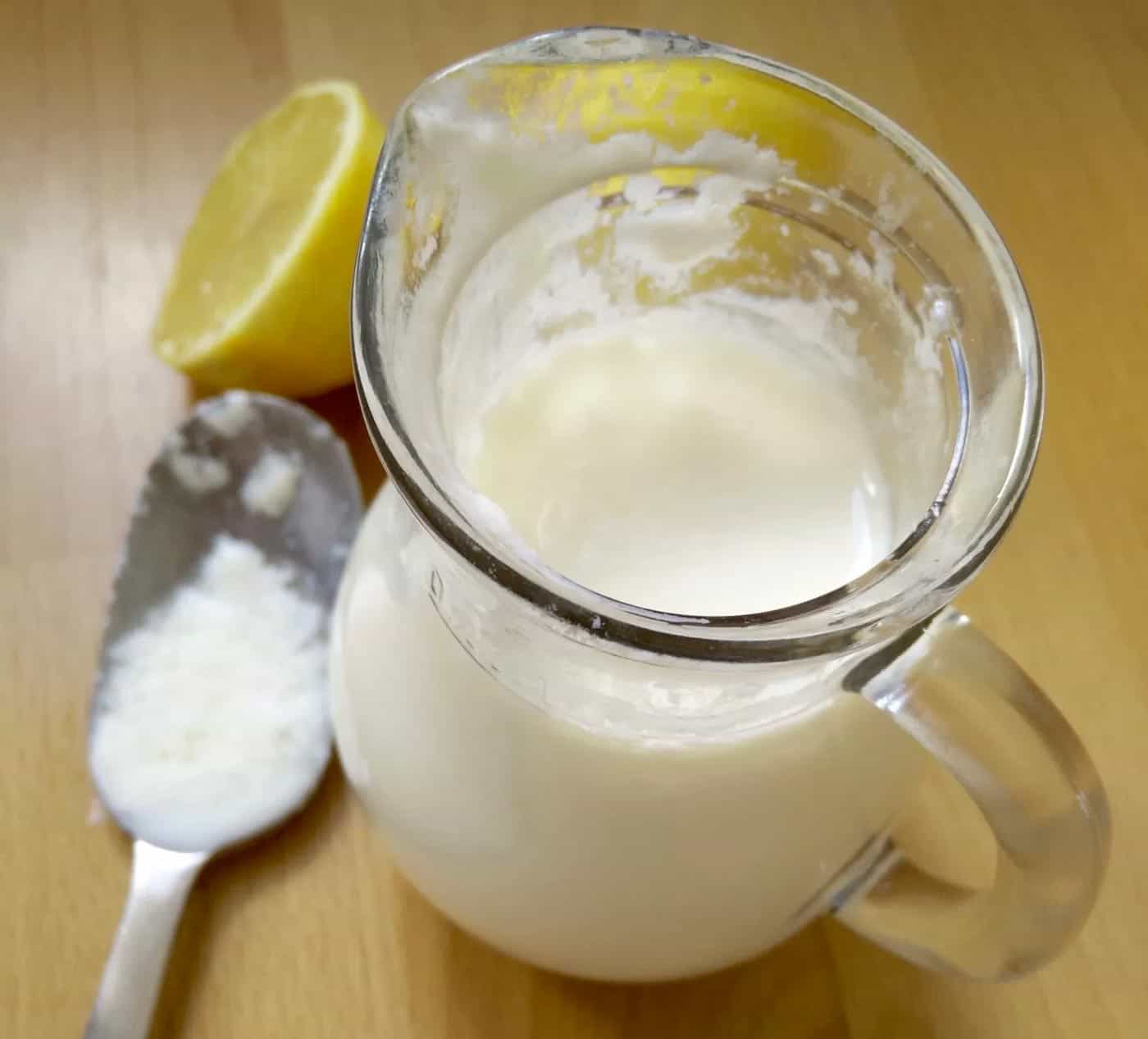
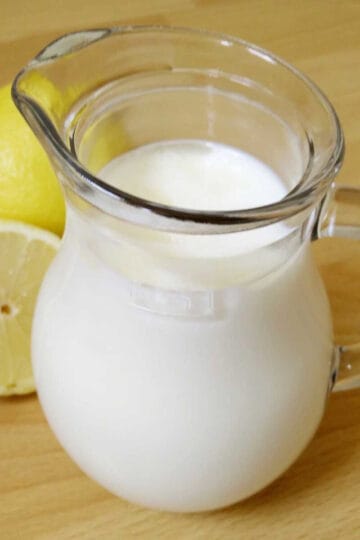
The recipe I have for you below is a basic pastry dough that uses buttermilk. Buttermilk plays an important role here, as it brings acidity which helps create a wonderful taste and texture. Some other recipes use water and vinegar instead. The common factor being the acid (from the vinegar). Remember, you don’t have to go out and buy buttermilk if you don’t already have some, it's very easy to make buttermilk at home with ingredients you are likely to have.
If you’re a supermarket pastry buyer, then I hope this post has inspired you to make your own and discover how quick and easy (and much better) it really is!
RECIPES THAT USE PASTRY:
RELATED


How To Make Quick and Easy Pastry Dough
Ingredients
- 310 g (2 ½ cups) plain flour
- 25 g (2 tablespoons) sugar*
- 1 teaspoon salt
- 225 g (1 cup) cold butter, diced
- 125 ml (½ cup) cold buttermilk
Instructions
- In a medium sized bowl, sift the flour, sugar and salt and whisk to combine.
- Cut the butter in using a food processor, pastry cutter or rub the butter in with your finger tips until the dough resembles large and small ‘clumps’ of buttered flour.
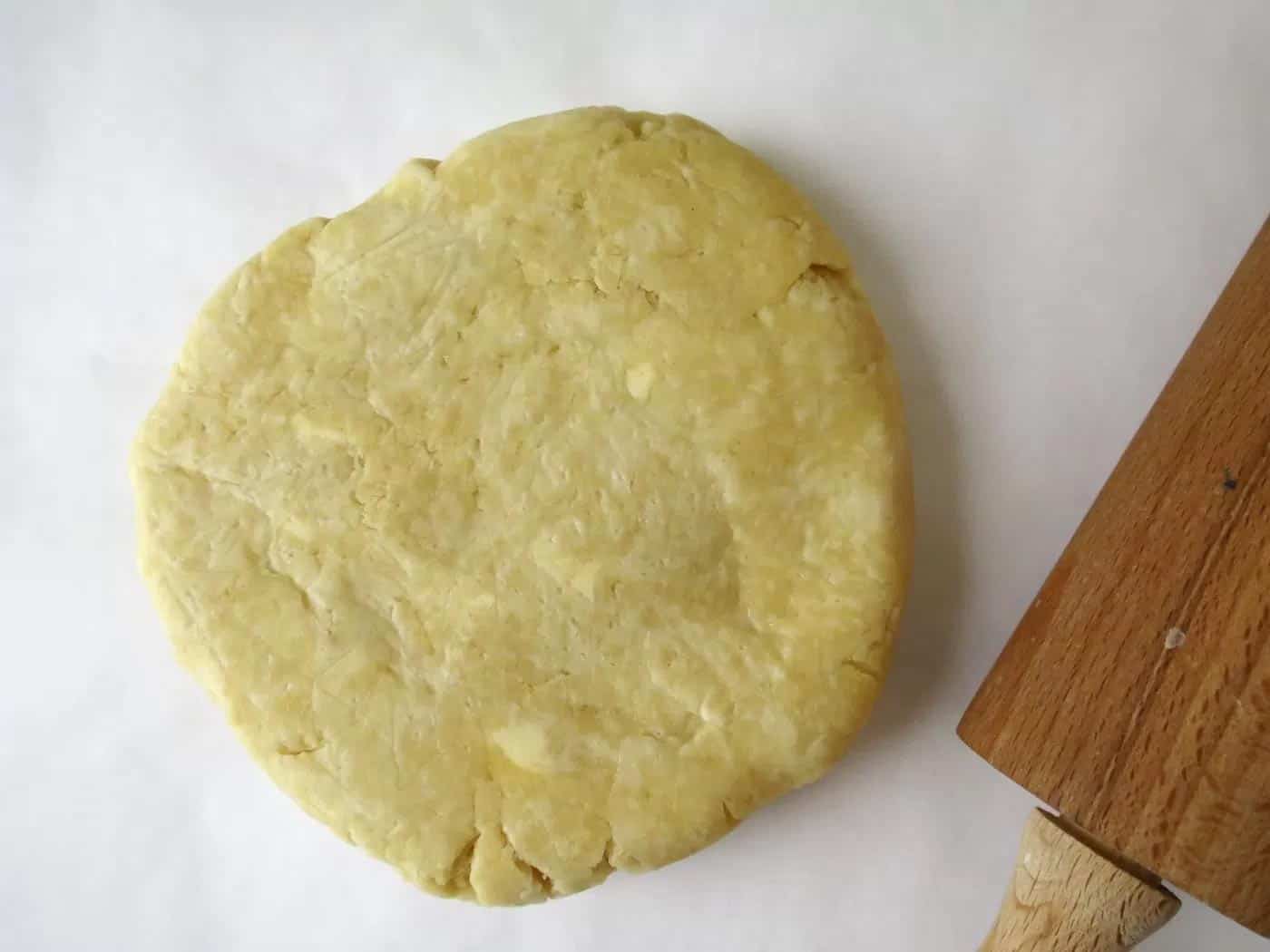
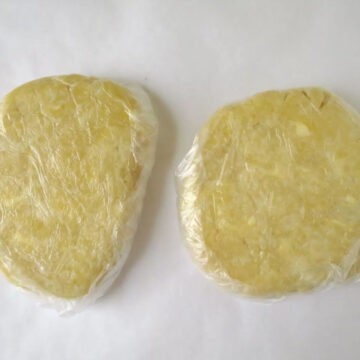
- Add the buttermilk and using a fork, bring the dough together (or use your hands). Form the into a ball and cut in half. Flatten each ball with your hands to form a disc shape and wrap in plastic wrap and place in the fridge for at least 30 minutes.
- The pastry is ready to use for your desired pie recipe!


can I use sourcream instead of the milk.
Yes absolutely! It will make it lovely and rich