The Muffin Method is one of the simplest and most important baking techniques to master. Once you understand how it works (plus a few of my favourite baking tips), you’ll be making beautifully soft, fluffy muffins with tender crumbs every time. Whether you’re baking blueberry muffins, lemon cream cheese muffins, or even these carrot cupcakes, this method is the secret to muffins and other bakes that your friends and family will rave about.

Jump to:
What Is the Muffin Method?
The muffin method is a baking mixing technique where the dry ingredients and wet ingredients are mixed separately before being gently folded together until just combined. Mixing the wet and dry ingredients separately first enables an even distribution of ingredients. More importantly, this method helps limit gluten development, creating soft, tender muffins with a light texture.
It is typically used for making muffins, quick breads, waffles, and pancakes but can also be used for cakes and cupcakes that use a liquid fat.
Why the Muffin Method Works
The muffin method works by limiting gluten development, which helps create a soft, tender crumb. By mixing the wet and dry ingredients separately before gently combining them, the batter stays light instead of becoming tough or chewy.
If all the ingredients were mixed together at once, the batter would need much more stirring to fully combine, developing extra gluten in the process. This results in denser, chewier baked goods.
That’s why the muffin method is ideal for muffins, some cakes and cupcakes, pancakes, and quick breads, where a light, fluffy texture is preferred.
How to Use the Muffin Method
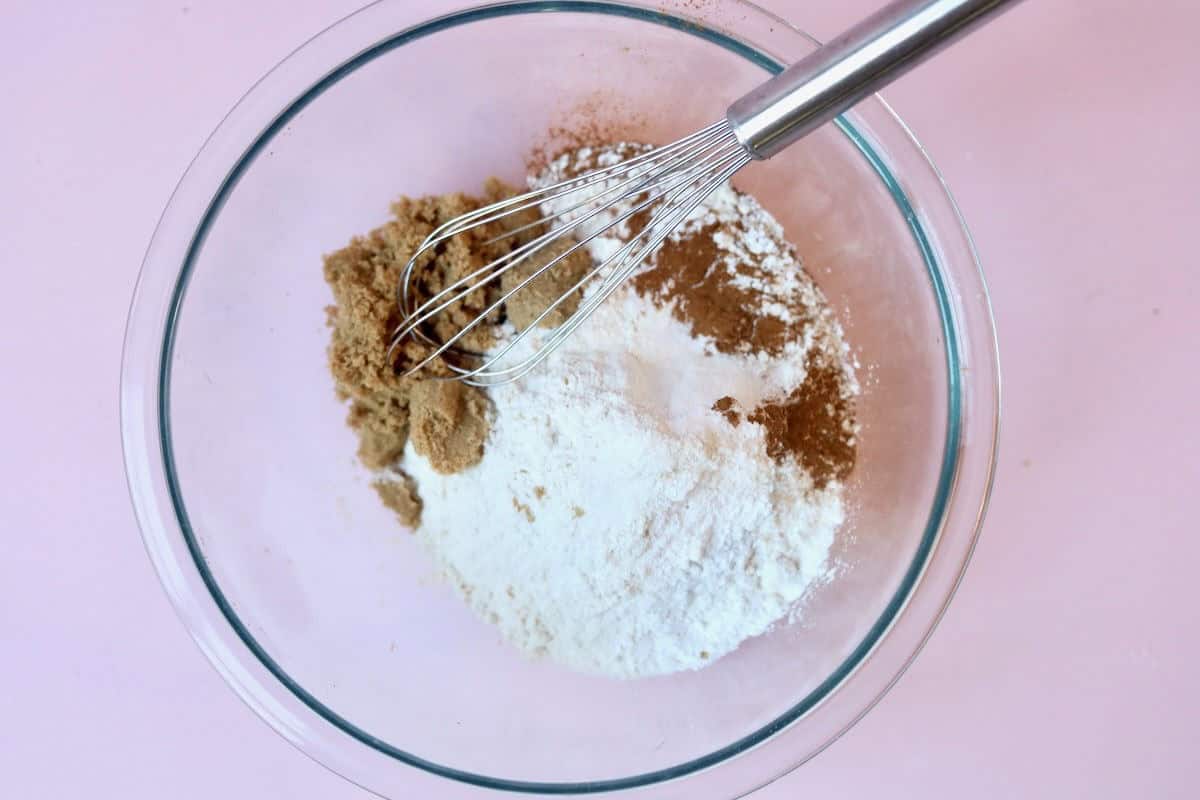
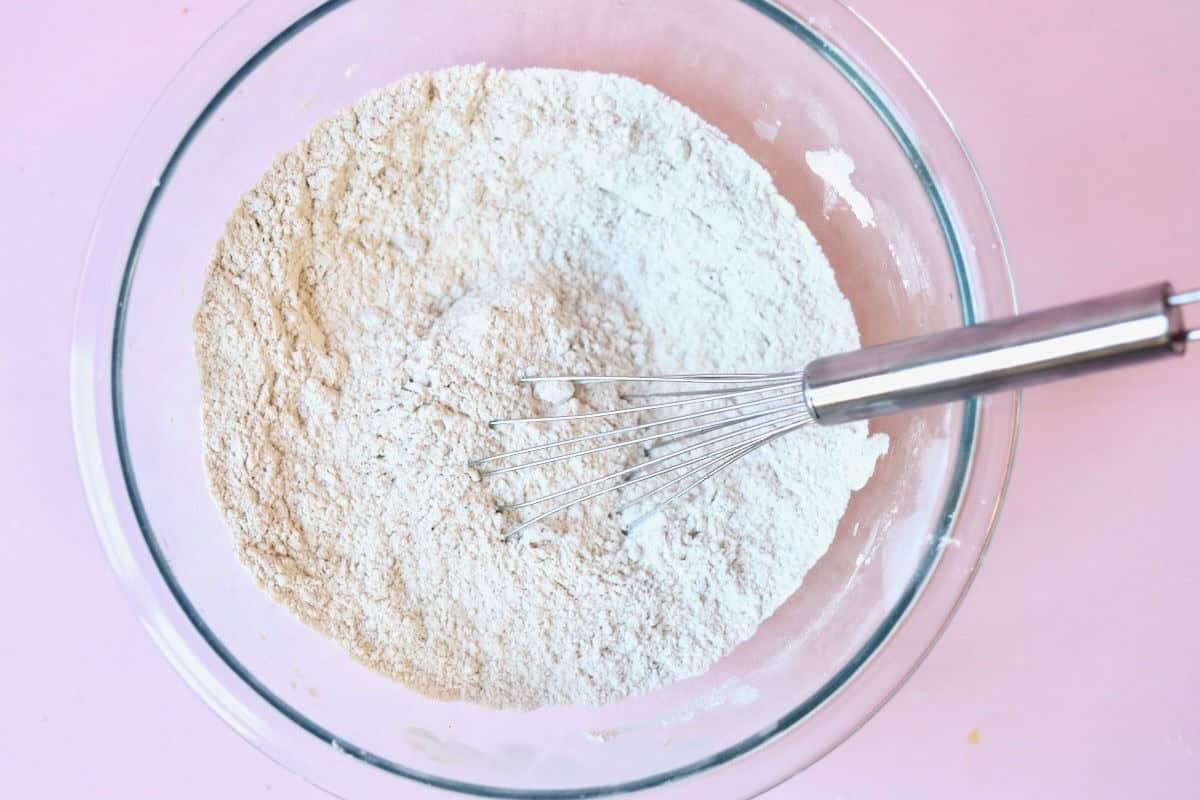
1. Whisk dry ingredients
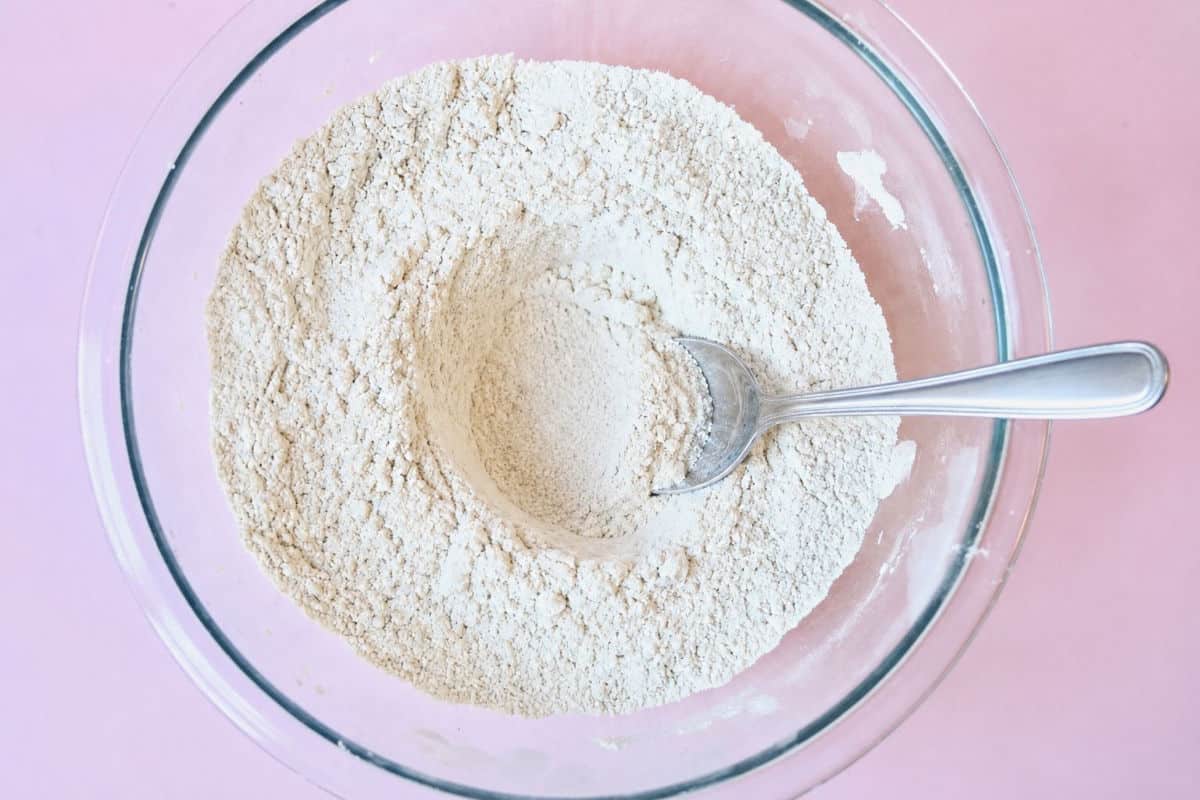
- all dry ingredients (e.g. flour, sugar, salt, baking powder/soda, spices etc.) are sifted into a large bowl and then whisked until well combined.
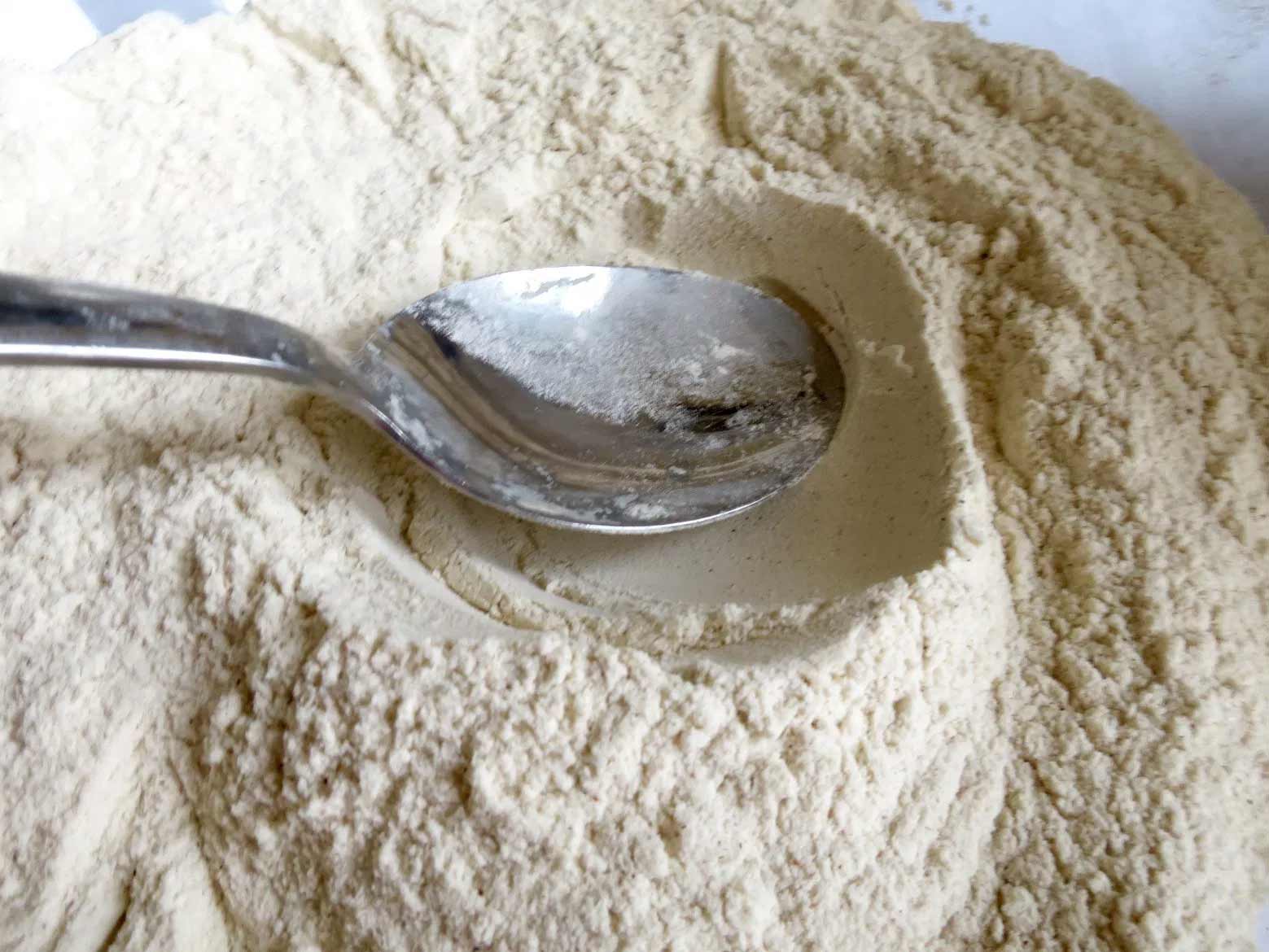
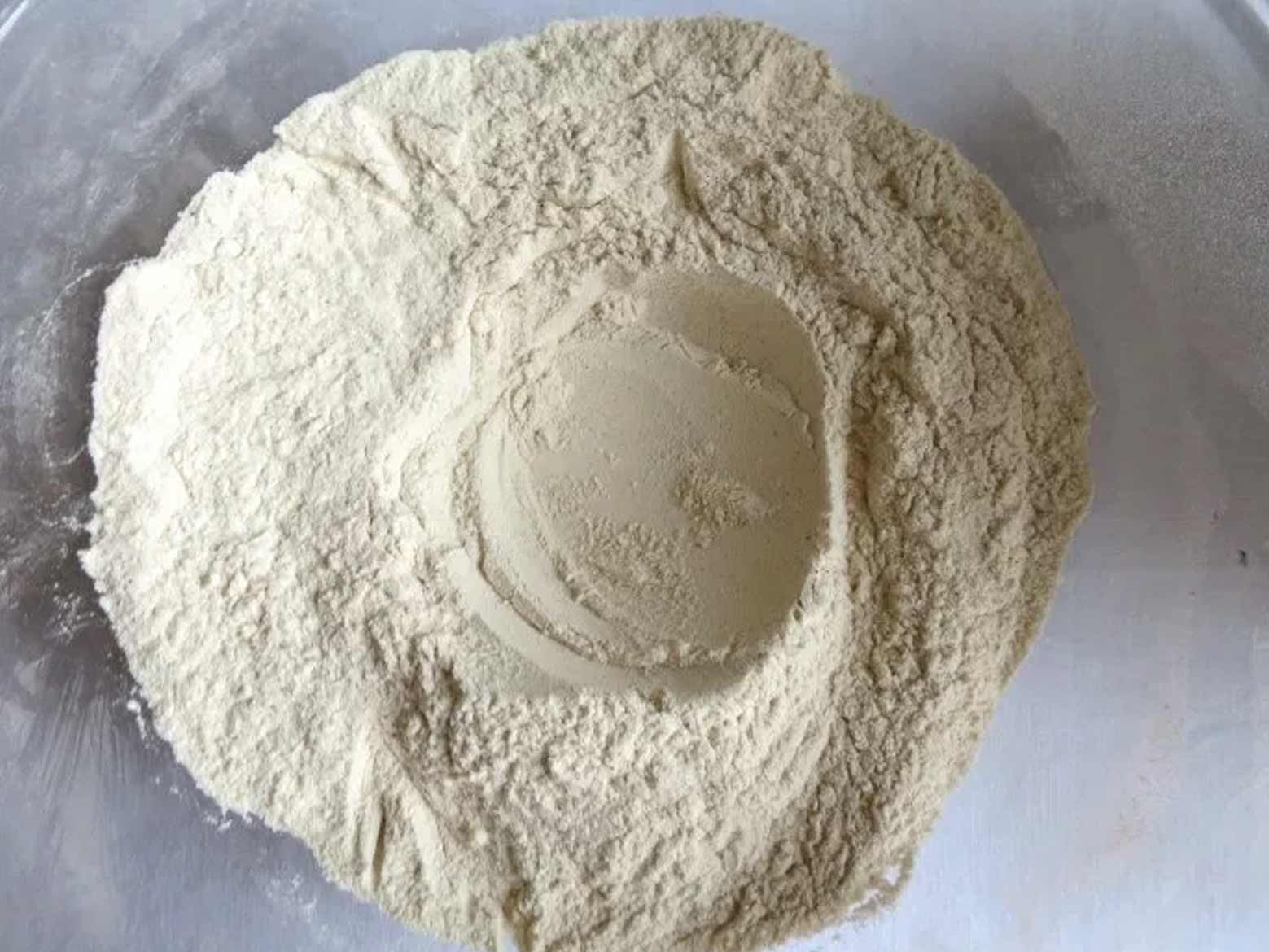
- Making a "well" can also be done at this stage. Use the back of a metal spoon to make a hole in the flour like so:
2. Combine wet ingredients
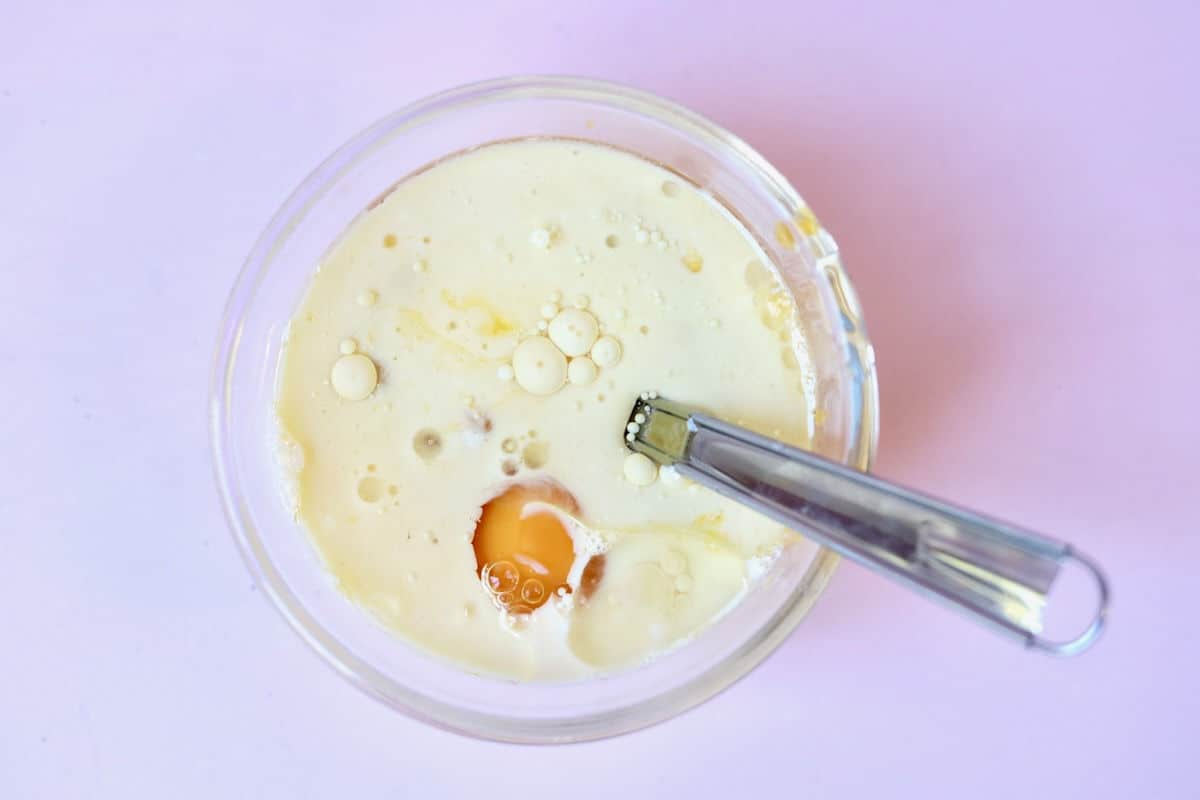
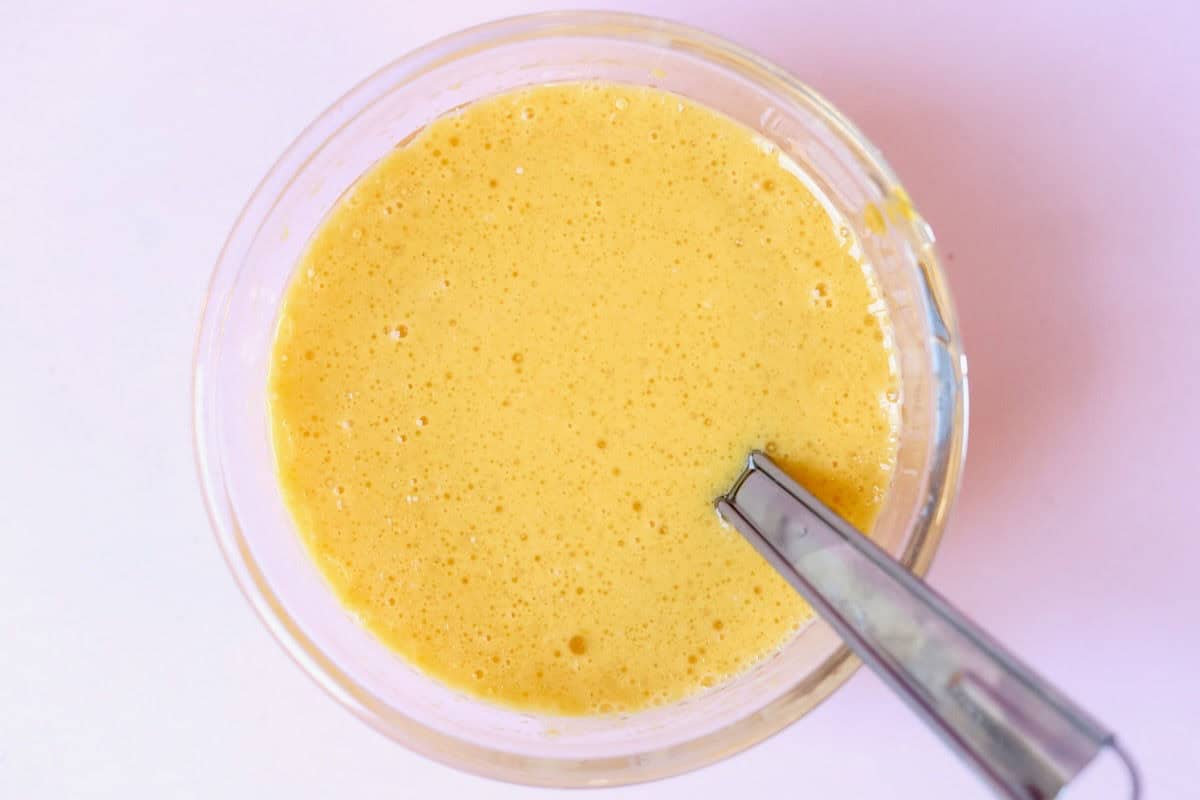
- all wet ingredients (e.g. eggs, milk, cream, liquid fat, vanilla extract and sugar) are whisked together in a separate bowl from the dry ingredients.
Tip
Incorporating the sugar with the wet ingredients enables better distribution as the liquid helps the sugar to dissolve
3. Combine the dry and wet ingredients (using the folding technique)
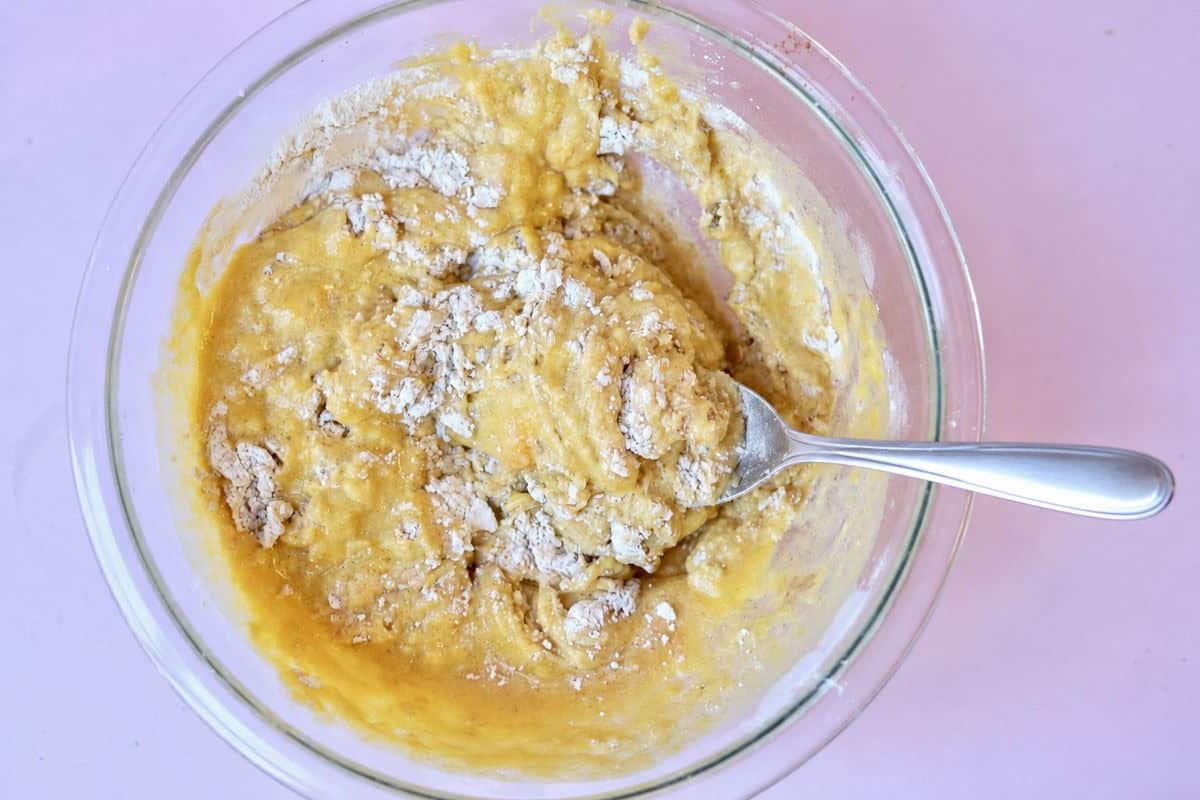
- The wet ingredients are combined with the dry ingredients and are gently folded together until just combined (about 10 folds). It's important not to over-mix in this step. Any fruit, chocolate, nuts etc. are also added at this stage.
What Does “Fold” Mean in Baking?
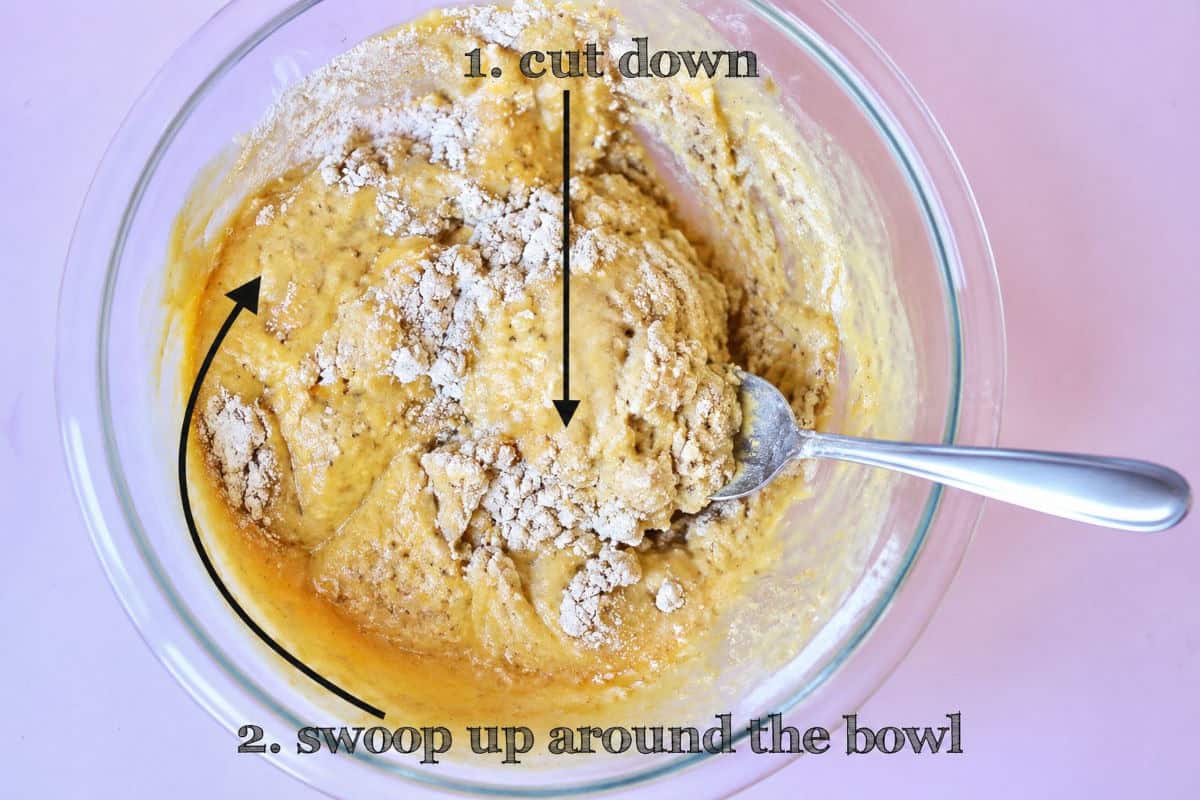
Folding is a gentle mixing technique used to combine ingredients without knocking out air or over-developing gluten.
To fold, cut down through the middle of the batter with a spoon or spatula, scrape along the bottom of the bowl, then lift the mixture up and over itself. Rotate the bowl and repeat until just combined.
This technique keeps muffins soft, fluffy and tender.
4. Bake!
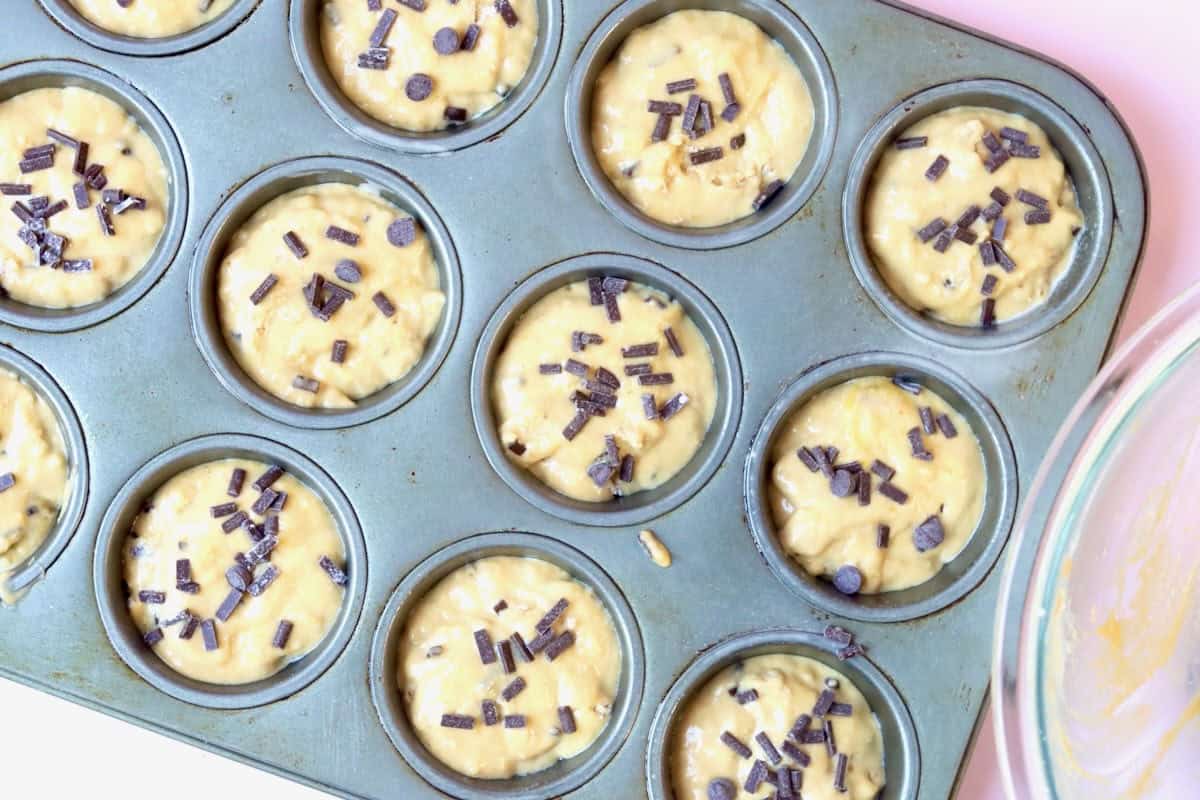
- The mixture is then spooned into the prepared pan ready to be baked.
The science behind over-mixing
Over mixing produces more gluten which results in tunnelling, chewy and tough textured baked goods - so save the stand mixers for the creaming method and mix by hand for this one!
When flour is mixed with liquid, two proteins called glutenin and gliadin combine to form gluten. Gluten gives baked goods structure and chewiness - which is great for bread, but not ideal for soft, tender muffins, cakes, cupcakes and cookies.
That’s why the dry ingredients should be folded in gently rather than vigorously mixed. Over-mixing develops more gluten, which can make baked goods:
- dense instead of fluffy
- tough instead of soft
- slightly rubbery or chewy
Using a gentle folding motion keeps gluten formation to a minimum, helping the baked foods stay light, moist and tender with a delicate crumb. Stop mixing as soon as you can no longer see streaks of flour.

This recipe uses The Muffin Method
Decadent Chocolate Cupcakes
Give it a try!
How Do You Know When Batter Is Mixed Enough?
I know it's tempting to get a spoon or even an electric beater to mix the batter really, really well. But as we've learned, this only strengthens the gluten development and makes our bakes chewy and tough. Don't worry if the mixture feels "under-mixed" - this is what we want.
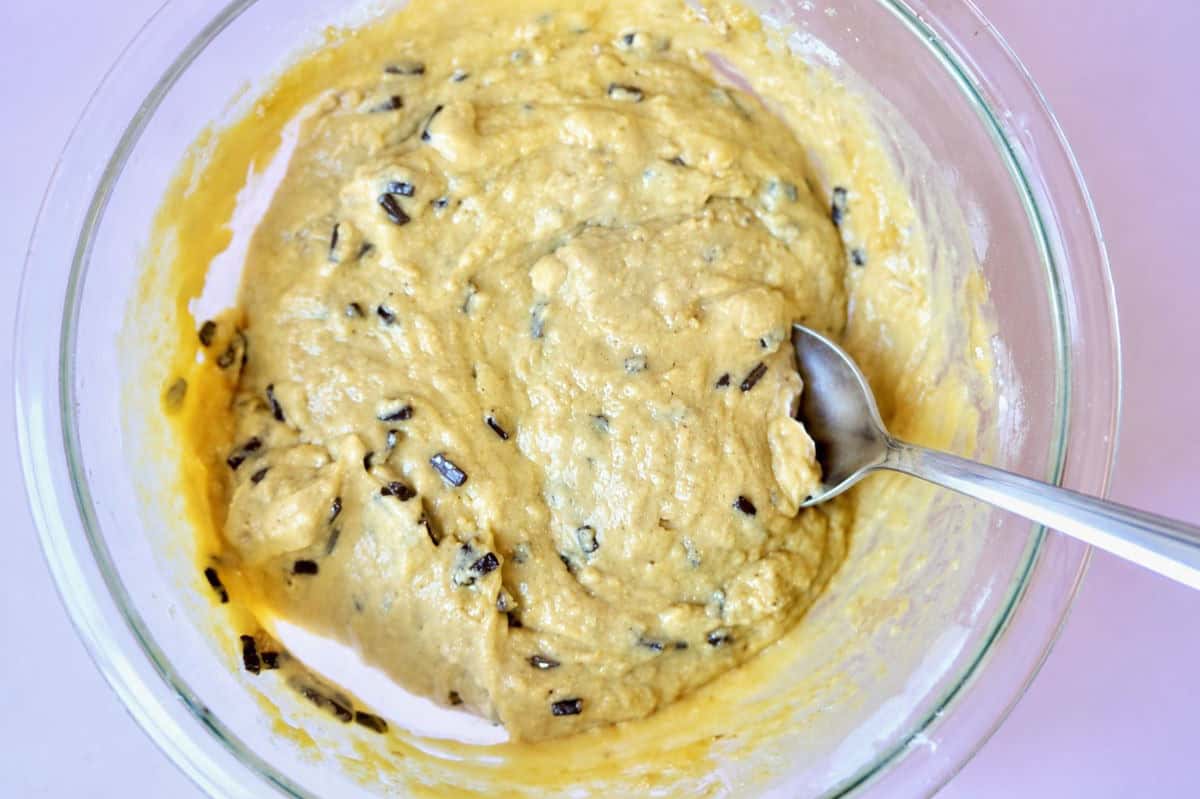
Muffin batter should look thick, slightly lumpy and still have a few streaks of flour remaining. The batter should not be completely smooth.
A slightly under-mixed batter produces softer muffins than an over-mixed batter.
Key Takeaways
- Mix wet and dry ingredients separately
- Fold gently until just combined
- Don’t overmix the batter
- A lumpy batter is completely normal
- Over-mixing strengthens gluten development (we only want this for breads)
- The muffin method creates soft, tender baked goods
Ready to Try the Muffin Method?
Put this technique into practice with:
FAQs About the Muffin Method
Lumpy batter helps prevent over-mixing, which keeps muffins soft and tender. Any lumps are sorted out during baking.
Over-mixing develops too much gluten, causing muffins to become dense, chewy and rubbery.
Separating them ensures even ingredient distribution while limiting gluten formation.
Yes - but only cakes that use oil or melted butter (i.e. a liquid fat). rather than creamed butter.
No, not strictly. Your baked good will survive if you skip this step! However, creating a well ensures even distribution of the wet ingredients and therefore a better end result.